
Money & Tipping in Ghana: A Complete Guide for First-Time Travelers
Money & Tipping in Ghana:
A Complete Guide for First-Time Travelers
Everything You Need to Know About Currency, Credit Cards, ATMs, and Tipping Before You Visit Ghana
If you're planning your first trip to Ghana, you're probably wondering:
- Should I bring cash?
- Can I use my credit card?
- How much spending money should I bring?
- Is tipping expected?
- What's the best way to exchange U.S. dollars?
These are some of the most common questions travelers ask before arriving in Ghana.
The good news? Managing money in Ghana is relatively easy once you understand a few local customs. Whether you're exploring Accra's vibrant markets, shopping with local designers, dining at rooftop restaurants, or visiting historical sites, a little preparation will help you travel with confidence. Here's everything you need to know before you go.
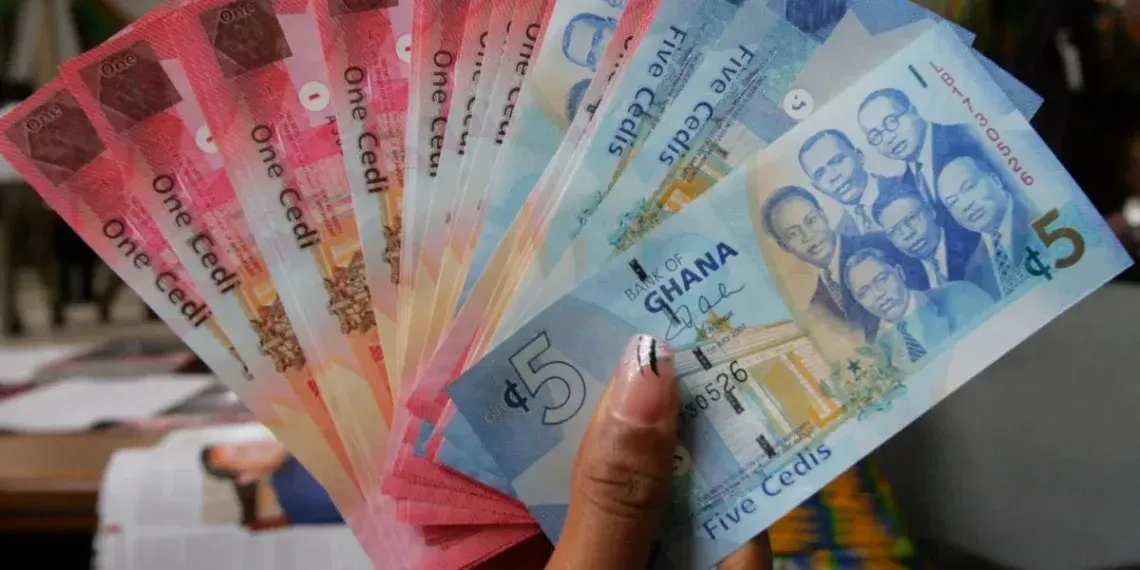
What Currency Is Used in Ghana?
The official currency of Ghana is the Ghanaian Cedi (GH₵).
You'll use Ghanaian Cedis for most everyday purchases, including:
- Local restaurants
- Markets
- Street vendors
- Taxis
- Small boutiques
- Snacks and beverages
- Optional gratuities
Although many hotels and upscale businesses accept credit cards, carrying some local currency is always recommended.
Should You Bring Cash?
Yes.
While Ghana has become increasingly cashless in larger cities, cash is still the easiest way to pay for many purchases.
Cash is especially useful when shopping at:
- Artisan markets
- Craft villages
- Small cafés
- Local food vendors
- Roadside fruit stands
Many of these businesses either don't accept credit cards or prefer cash.
Where Can You Exchange Money?
Visitors have several convenient options.
Foreign Exchange (Forex) Bureaus
These are often the best places to exchange currency because they typically offer competitive rates and are easy to find throughout Accra.
Banks
Banks are another secure option during normal business hours.
Kotoka International Airport
Airport exchange counters are convenient if you'd like Ghanaian Cedis immediately after landing. However, airport exchange rates are often slightly less favorable than those offered at forex bureaus in the city.
ATMs
ATMs are widely available throughout Accra and larger cities.
Most accept:
- Visa
- Mastercard
- International debit cards
Your home bank may charge international withdrawal fees, so it's worth checking before you travel.
Bring Larger U.S. Bills
If you plan to exchange U.S. dollars, larger denominations generally receive better exchange rates.
The most widely accepted bills are:
- US$50
- US$100
Smaller bills often receive slightly lower exchange rates.
Bring Clean, Newer Bills
One tip surprises many first-time visitors.
Many banks and exchange bureaus in Ghana will not accept:
- Torn bills
- Written-on bills
- Stained bills
- Excessively worn bills
- Older-design U.S. currency
Bring clean, crisp, newer-design U.S. notes whenever possible.
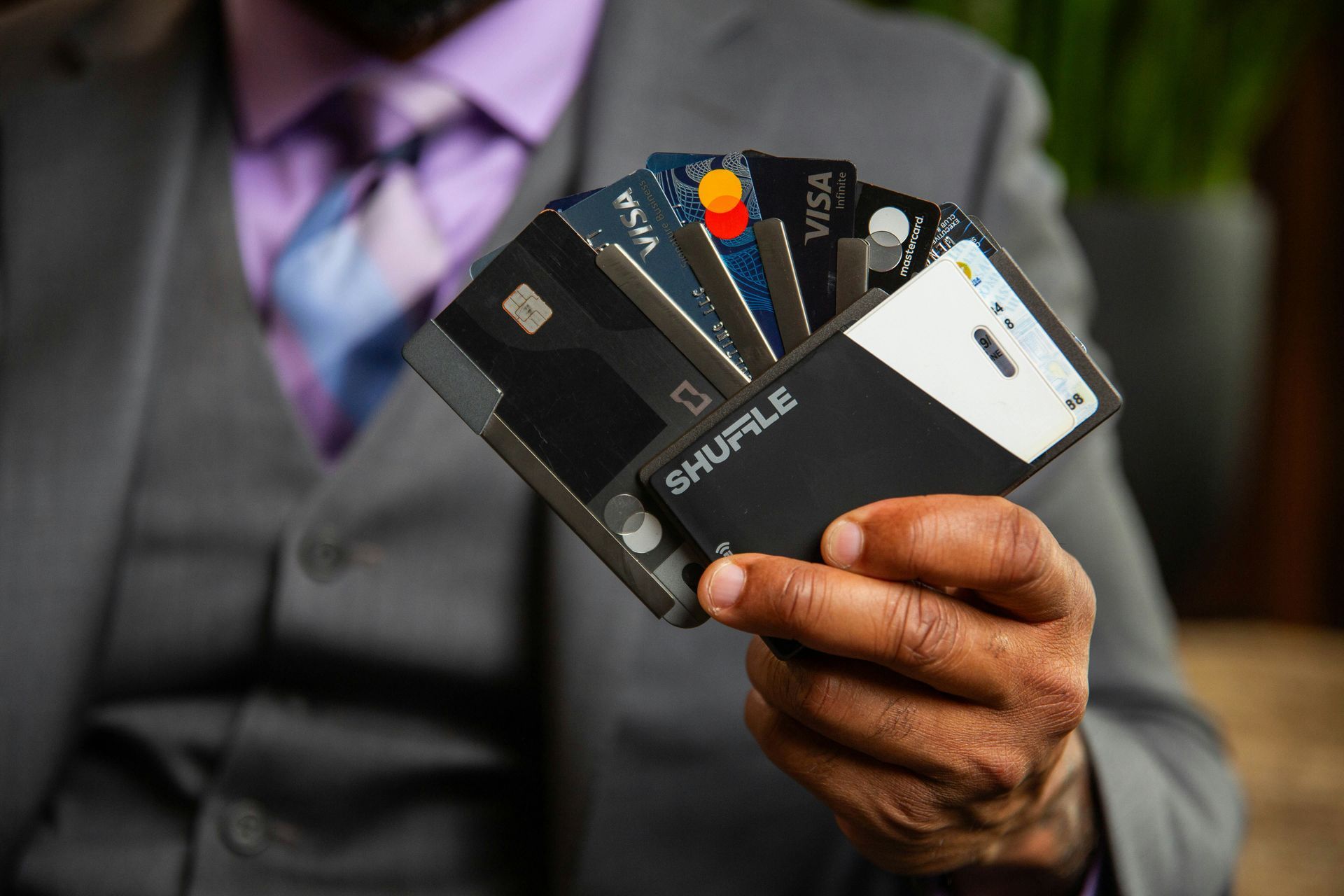
Can You Use Credit Cards?
Yes—but not everywhere.
Visa and Mastercard are widely accepted at:
- Hotels
- Upscale restaurants
- Shopping malls
- Designer boutiques
- Many tourist attractions
However, some businesses charge a small processing fee.
What About American Express and Discover?
Unlike Visa and Mastercard,
American Express and Discover are not widely accepted in Ghana.
If those are your primary cards, consider bringing a Visa or Mastercard as a backup.
Doing so will save you frustration while traveling.
How Much Spending Money Should You Bring?
This depends entirely on your travel style.
Most visitors find that US$200–500 is sufficient for:
- Souvenirs
- Local shopping
- Snacks
- Optional meals
- Coffee
- Small purchases
- Gratuities
If you plan to purchase:
- Artwork
- Jewelry
- Designer clothing
- Custom-made garments
- Luxury handbags
you may wish to budget more.
Faces of Humanity
Shopping in Ghana
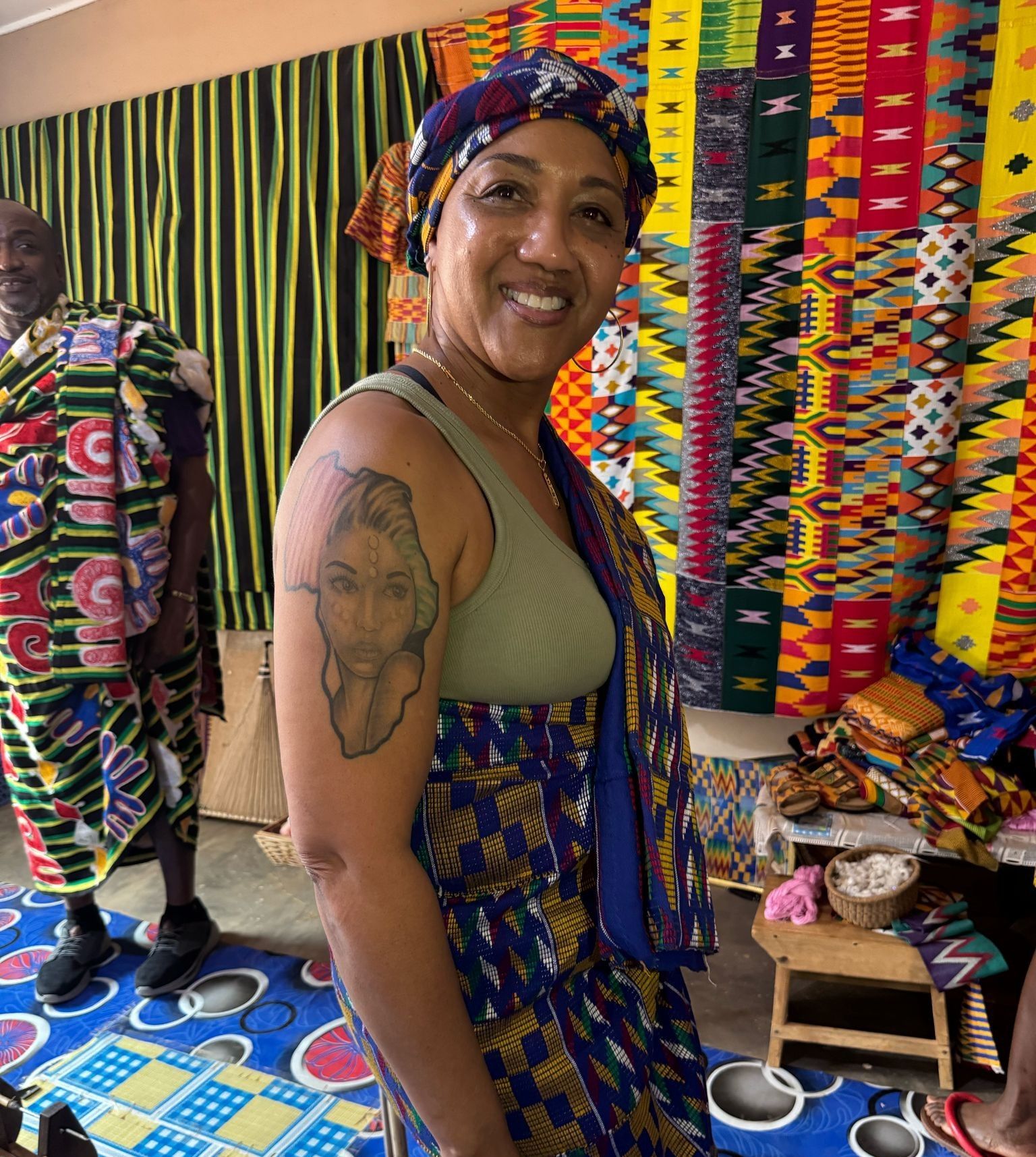
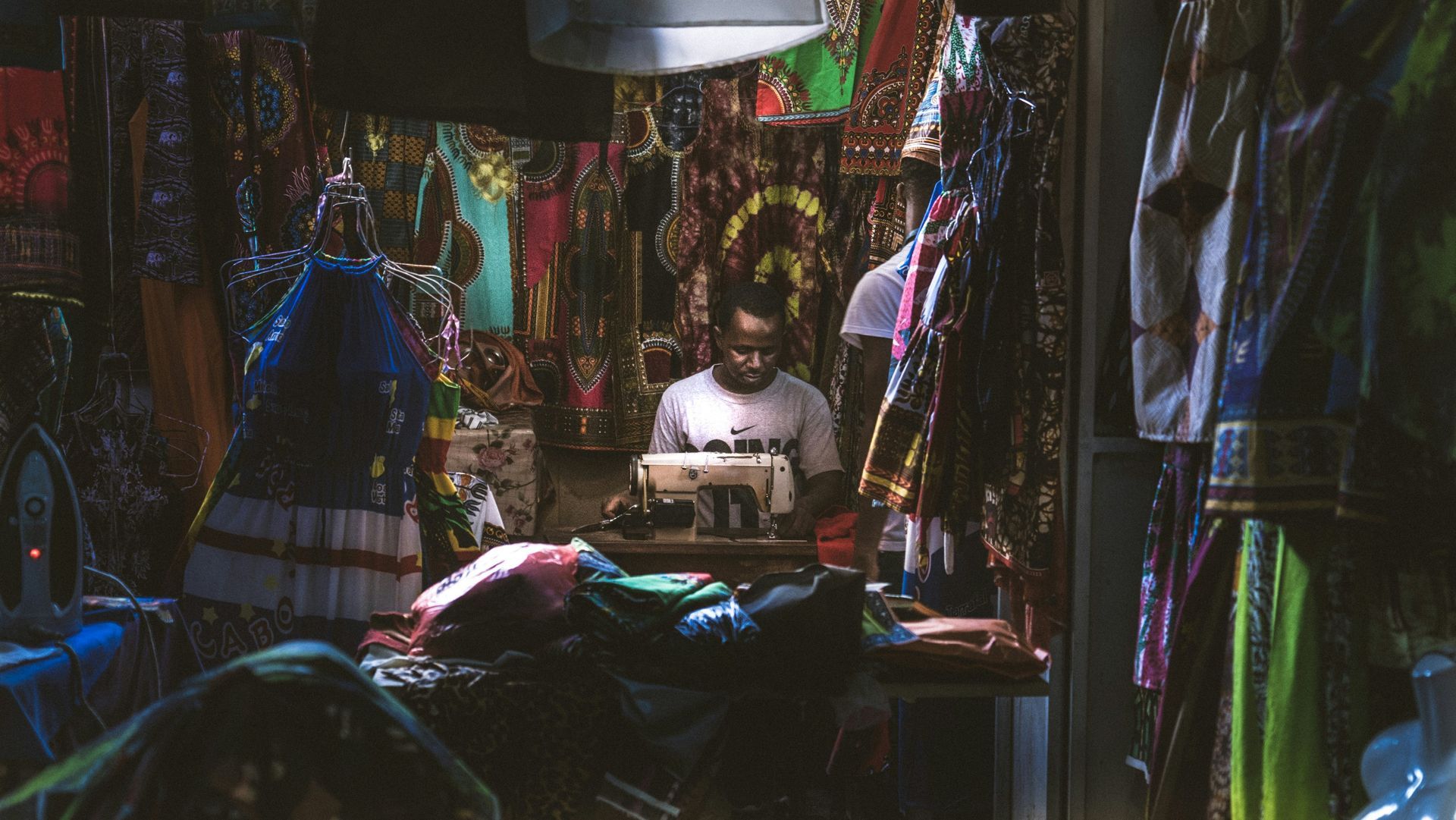
One of the highlights of visiting Ghana is supporting local designers and artisans.
You'll discover incredible craftsmanship through:
- Handwoven Kente
- Adinkra textiles
- Leather goods
- Handmade jewelry
- African home décor
- Luxury Ghanaian fashion
Shopping directly from local businesses allows your dollars to support entrepreneurs and creative communities throughout the country.
Is Tipping Required in Ghana?
Here's one of the biggest differences between Ghana and the United States.
Tipping is not required or expected in Ghana.
Unlike the U.S., service workers generally do not rely on tips as a significant portion of their income.
Instead, gratuities are viewed as a thoughtful way to recognize exceptional service.
If you receive outstanding service, tipping is always appreciated—but never expected.
Suggested Tipping Guidelines
If you'd like to show appreciation, these are reasonable guidelines.
| Service | Suggested Tip |
|---|---|
| Hotel Bellhop | GH₵10–20 per bag (approximately US$1–2) |
| Housekeeping | GH₵20–50 per day (approximately US$2–5) |
| Restaurant Server | 5–10% if a service charge isn't already included |
| Spa Therapist | 10–15% of the treatment cost or GH₵50–100 for exceptional service |
Should You Tip Tour Guides?
If you're traveling with a tour company, you'll likely have:
- A dedicated tour guide
- A professional driver
- Possibly a driver's assistant
Rather than tipping each guide you encounter at museums or attractions, many travelers choose to recognize their primary guide and driver at the conclusion of the trip.
Suggested amounts include:
- Tour Guide: US$20 (approximately GH₵200) per guest for the entire trip
- Driver: US$10 (approximately GH₵100) per guest
- Driver Helper: US$5 (approximately GH₵50) per guest
These amounts are entirely optional.
Do You Need to Tip Every Local Guide?
No.
Throughout Ghana, you'll meet knowledgeable guides at historical sites, museums, and cultural attractions.
These local guides are typically compensated through admission fees or their employer.
While you're certainly welcome to tip someone who provides exceptional service,
there is no expectation that you tip every guide you meet.
Is It Better to Tip in U.S. Dollars or Ghanaian Cedis?
For small gratuities, Ghanaian Cedis are usually the better choice.
Local currency is immediately usable and eliminates the need for recipients to exchange money.
If you prefer tipping in U.S. dollars, keep these tips in mind:
- Bring clean, newer bills.
- Bills of US$20 or greater are much easier for recipients to exchange into Ghanaian Cedis.
- Bills under US$20, as well as older or damaged notes, can be difficult—and sometimes impossible—for local residents to exchange.
Should You Carry Large Amounts of Cash?
No.
Like anywhere in the world, it's best to carry only the cash you expect to use for the day.
Keep additional cash, passports, and valuables secured in your hotel safe whenever possible
A Few Final Money Tips
Before leaving home:
✔ Notify your bank of your travel dates.
✔ Bring a Visa or Mastercard.
✔ Carry a small amount of cash.
✔ Bring newer-design U.S. bills if exchanging currency.
✔ Save room in your suitcase—you'll likely return with more than you expected!
Travel with Confidence
Money shouldn't be a source of stress while exploring Ghana.
With a little preparation, you'll be ready to enjoy everything this remarkable country has to offer—from bustling markets and luxury boutiques to world-class restaurants and unforgettable cultural experiences.
Whether you're savoring authentic Ghanaian cuisine, shopping for handcrafted treasures, or supporting local artisans, every purchase becomes part of your journey and contributes to Ghana's vibrant economy.
Travel prepared. Spend intentionally. Tip thoughtfully. Most of all, embrace every moment.
Frequently Asked Questions
Can I use U.S. dollars in Ghana?
Some hotels and tourism-related businesses may accept U.S. dollars, but most everyday
transactions are conducted in Ghanaian Cedis. Exchanging a portion of your money into local currency is recommended.
Are credit cards accepted in Ghana?
Yes. Visa and Mastercard are widely accepted at many hotels, restaurants, and larger retailers.
American Express and Discover are much less commonly accepted.
How much cash should I bring to Ghana?
Most travelers find that US$200–500 is sufficient for shopping, optional meals, gratuities, and personal expenses, though your budget will depend on your spending habits.
Is tipping mandatory in Ghana?
No. Tipping is appreciated but not required. Most visitors leave gratuities only when they receive exceptional service.
What is the best currency to use for small tips?
For small gratuities, Ghanaian Cedis (GH₵) are generally the most practical and appreciated.
Planning Your Ghana Adventure?
At Black Travelers International, we create thoughtfully curated journeys that blend luxury, heritage, culture, and meaningful connection. From boutique shopping and culinary experiences to historic landmarks and unforgettable celebrations, our Ghana tours are designed to help you experience the country with confidence and purpose.
Explore our upcoming Ghana journeys, view our Ghana Travel Guide for Black Women, and start planning your next unforgettable adventure.
Related Resources
Ready to Experience Ghana with BTI?
When you're ready to turn inspiration into reality, join Black Travelers International on one of our thoughtfully curated Ghana journeys. From Detty December and New Year's Eve celebrations to Roots & Radiance, Ghana, Togo & Benin, and Ghana & Nigeria, our luxury group experiences blend heritage, culture, connection, and elevated travel for an unforgettable adventure.
Browse Our Upcoming Ghana Tours